Kakori, near Lucknow, Uttar Pradesh — Nawabi Awadhi cuisine, late 19th century
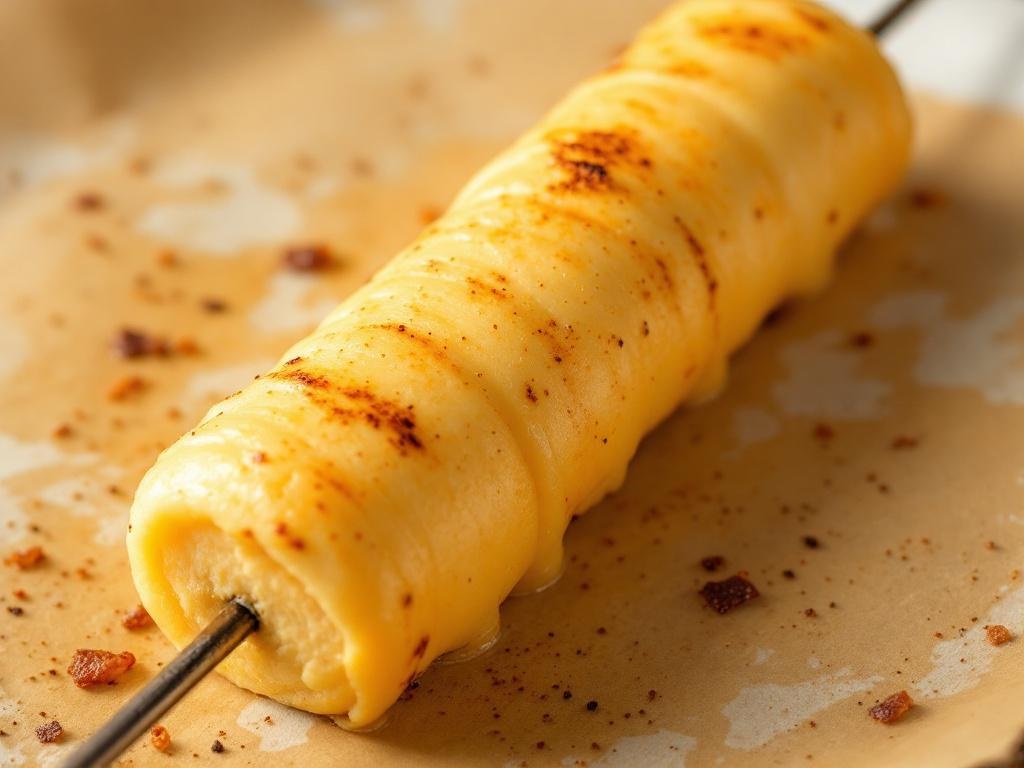
The Kakori Kebab is the most refined expression of Awadhi seekh kebab tradition — a dish so delicate it is almost impossible to produce in a home kitchen without practice. Named after the town of Kakori near Lucknow, the kebab was reputedly created when a British officer visited a local nawab and complained that the seekh kebabs were too coarse for his refined palate. The nawab's cooks responded by grinding the lamb multiple times and adding ingredients that would make it melt on the tongue. The defining characteristic is texture: no grain, no bite, almost no structure. The mince — always from the hind leg of young lamb — is ground at least three times through increasingly fine plates, then worked with raw papaya (which contains papain, a protein-dissolving enzyme), fried onions, and a spice paste of over twenty ingredients including green cardamom, clove, kewra water, ittar, and raw papaya. The mixture rests for several hours, then is hand-moulded onto skewers in a shape thicker than a seekh kebab. Cooking happens over a gentle charcoal fire — too hot and the outside sets before the inside cooks, causing the kebab to split and fall off the skewer. The finished kebab should have a very slight char on the outside and should melt entirely when pressed against the roof of the mouth. This is Awadhi food philosophy at its most extreme: the erasure of texture in pursuit of flavour.
Fragrant, spiced, meltingly tender — aromatic with kewra and cardamom, rich with ghee
tactile: Press the raw mince—it should feel like silk paste with zero grit, holding together without crumbling.
If the mince feels granular or separates when worked, you've underground or skipped the papaya; the kebab will shatter on the skewer or turn chewy.