Tamil Nadu, Karnataka, Andhra Pradesh, Kerala — South Indian Brahmin and Chettinad traditions
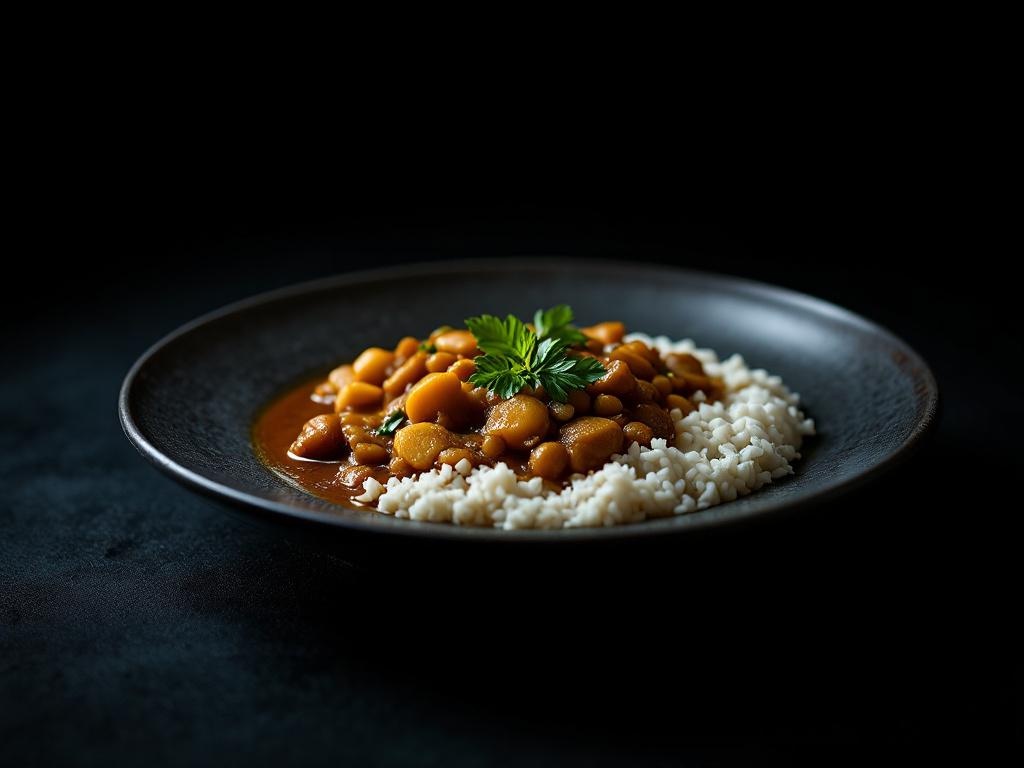
Sambar is the daily lentil and vegetable stew of Tamil Nadu and surrounding South Indian states — one of the most consumed dishes on earth, eaten at every meal from breakfast (with idli and dosa) to lunch (with rice) to dinner. Yet its apparent simplicity conceals real technique: a well-made sambar has distinct layers of flavour — sour from tamarind, earthy from toor dal, bitter from the dried red chillies in the tadka, and fragrant from fresh curry leaves. The base is toor dal (split pigeon peas), pressure-cooked until completely smooth, then combined with tamarind water, a spice powder (sambar podi), and whatever vegetables are in season — drumstick (moringa), pearl onions, tomatoes, aubergine, radish, or colocasia. Each regional variation has a preferred vegetable — Udupi sambar uses a specific temple-style podi, Chettinad sambar adds freshly ground coconut, Brahmin-style sambar omits onion and garlic. The critical final step is the tadka — a tempering of mustard seeds, dried red chillies, asafoetida, and curry leaves fried in oil until the mustard seeds pop and the curry leaves crisp. This is poured over the sambar and covered immediately to trap the aromatics. The balance of sour, spice, and lentil richness is the measure of a sambar. Too much tamarind makes it sharp; too little makes it flat. The vegetables should be just cooked — soft but not dissolved.
Sour-spiced, earthy, tamarind-bright — the daily foundation of South Indian eating
visual: Toor dal transforms from granular to completely smooth and pourable; tadka's curry leaves release maximum fragrance when steam traps…
Under-cooked dal leaves chunks that break the stew's body; over-cooked vegetables lose their identity and flatten the dish's texture and flavour layers.