Goi Cuon (Vietnamese Spring Rolls — Tet Preparation)
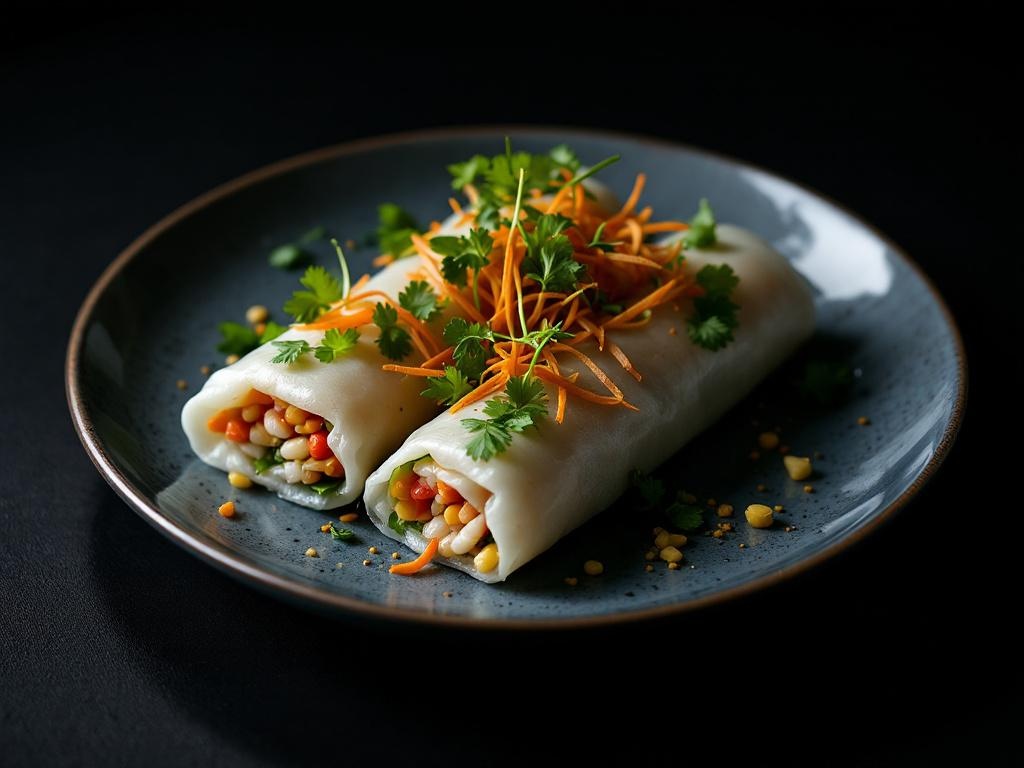
Goi cuon — Vietnamese fresh spring rolls — are made throughout the year but are particularly associated with Tet and celebratory meals. Unlike the fried spring roll, goi cuon are assembled fresh at the table — rice paper wrappers softened in water, filled with shrimp, pork, rice vermicelli, lettuce, fresh herbs (mint, coriander, perilla), and cucumber, then rolled into a translucent cylinder that reveals the colourful filling through the wrapper. The preparation is simultaneously simple and technically precise: the rice paper must be softened just enough (too short and it cracks; too long and it tears), the filling must be arranged in the correct order and proportion (the shrimp along the transparent wrapper side for visual presentation), and the roll must be sealed tightly enough to hold its shape when cut. For Tet, the table preparation of goi cuon together is both a practical way to feed a crowd and a social ritual.
The Market List
The benchmark for each ingredient, and who stocks it near you. Tap a stockist to go straight to the product.
Each tap is counted, so the stockist sees the demand Provenance sends them.
The Method
Sensory Tests
What to Pour
Origin & Lineage
Vietnam; goi cuon (literally 'salad rolls') are a Southern Vietnamese tradition; their association with Tet is cultural rather than strictly traditional, as they represent freshness, sharing, and communal preparation.