PProvenance
Enter
Pan Sauce (Deglazing — The Universal Restaurant Technique)
French · France

Pan Sauce (Deglazing — The Universal Restaurant Technique)

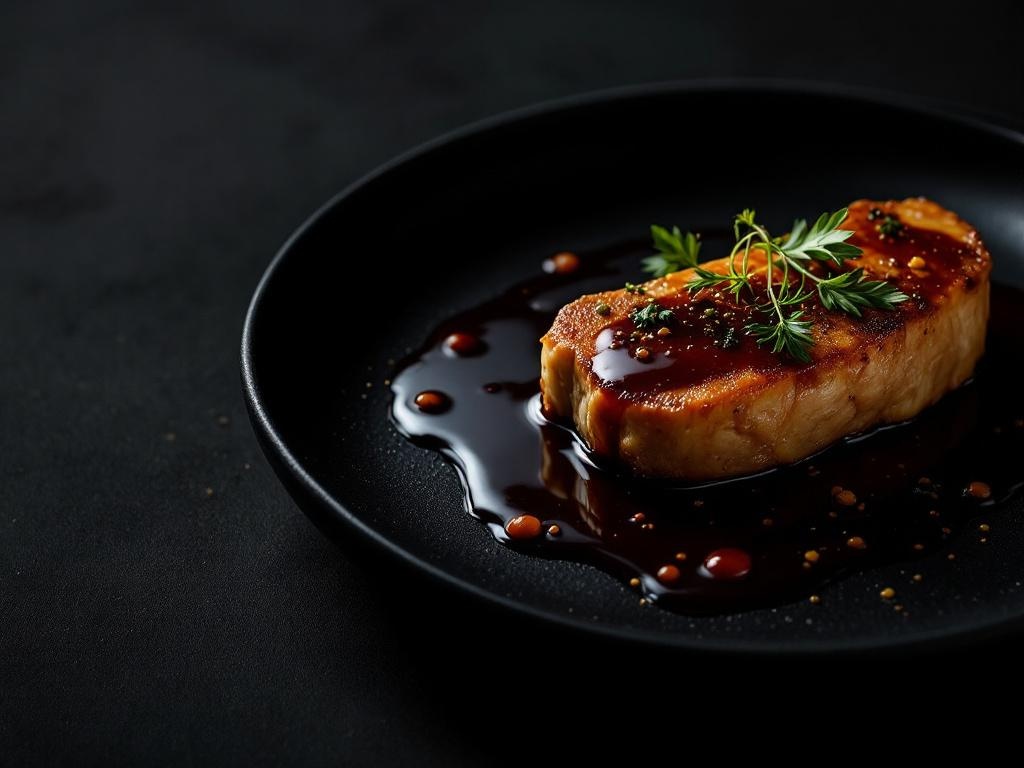
The pan sauce is perhaps the single most universally applicable technique in professional cooking: the art of deglazing a hot pan with liquid to dissolve the caramelised fond (the browned deposits left by searing meat, fish, or vegetables), then building that flavoured liquid into a sauce through reduction, enrichment, and finishing. It transforms the byproduct of cooking into the sauce itself — a concept of profound culinary economy that explains why restaurant kitchens produce extraordinary flavour from seemingly simple methods. The sequence is specific: a protein is seared in a heavy pan at high heat, removed, and rested. The pan, with its coating of fond and a small amount of fat, is returned to medium-high heat. Aromatics — shallots, garlic, herbs — are sweated briefly in the fond. A liquid is added: wine, spirit, stock, cider, or a combination. This hitting a hot pan causes violent sizzling and steam — the liquid physically lifts the fond from the pan surface. The liquid then reduces, concentrating flavour and developing a saucy consistency. Enrichment follows reduction: cold butter whisked in off the heat ('mounting with butter') creates gloss and body; cream added before the final reduction gives richness; herbs added at the last minute provide freshness. The result is a sauce that costs nothing extra, uses minimal ingredients, and is inseparable from the protein it accompanied. Mastering the pan sauce means mastering the sequence of heat, timing, reduction, and enrichment. It means understanding that the fond is flavour — not burned residue to be cleaned away — and that liquid quantity matters: too little and the sauce is over-reduced and bitter; too much and it never concentrates. One good pan sauce justifies owning a proper heavy-bottomed pan.

‹Swipe for the next dish›
Serves200 ml
Total8 min
Sourced1of 7 in BC
Cook
I

The Market List

The benchmark for each ingredient, and who stocks it near you. Tap a stockist to go straight to the product.

1
shallot
finely minced
Your own market
100 ml
dry white wine
stock, or acidic liquid (vinegar, citrus juice, or combination)
Not yet stocked in British Columbia
200 ml
braising liquid or cooking liquid from the main protein
Not yet stocked in British Columbia
30 g
cold unsalted butter
cubed
Your own market
5 ml
fresh lemon juice or Champagne vinegar
Origin · FranceLekker · Vancouver →
Salt and Tellicherry black pepper
to taste
Your own market
Optional garnish: 5 g fresh tarragon or parsley
chopped
Your own market

Each tap is counted, so the stockist sees the demand Provenance sends them.

II

The Method

1
After searing or cooking the main protein, remove it from the pan and set aside; pour off excess fat, leaving 5 ml in the pan.
2
Add minced shallot to the hot pan over medium heat and sauté for 30 seconds until fragrant (do not colour).
3
Deglaze the pan with white wine or acidic liquid, scraping the fond with a wooden spoon; reduce until 30 ml liquid remains (2–3 minutes).
4
Add braising liquid or stock and return to a simmer; reduce by half (2 minutes).
From the canon — Braising is the transformation of tough, collagen-rich cuts of meat into tender, deeply flavoured preparations through prolonged cooking in a small amount of… Braising (Braiser) →
5
Remove from heat and whisk in cold butter cube by cube until fully incorporated; do not allow the sauce to boil after butter is added.
6
Strain through a fine-mesh sieve if desired, then season with lemon juice, salt, and pepper.
7
Pour over the protein and serve immediately, garnished with fresh herbs if using.
IV

Sensory Tests

◇Sight. Fond coating the pan bottom turns syrupy and darkens without blackening as you reduce the deglazing liquid.
◇Where it lives or dies. Fond coating the pan bottom turns syrupy and darkens without blackening as you reduce the deglazing liquid.
VI

What to Pour

The pairing
Henry Marionnet Touraine Sauvignon Blanc
Domaine Henry Marionnet — Loire · Loire Valley
Not yet stocked in British Columbia
Wine
From British Columbia
Fort Berens Riesling
Fort Berens Estate Winery · Lillooet
Not yet stocked in British Columbia
Wine
Without alcohol
GT's Synergy Organic Kombucha — Gingerade
Not yet stocked in British Columbia
Non-alcoholic

Why each one works is part of membership — Enter · from $49 a year →

The whole pairing
Pillar VII
Origin and lineage are part of membership.
Where the dish comes from and how it came to be — on every recipe.
Enter · from $49 a year
Sourced through Provenance

The hands behind the plate.