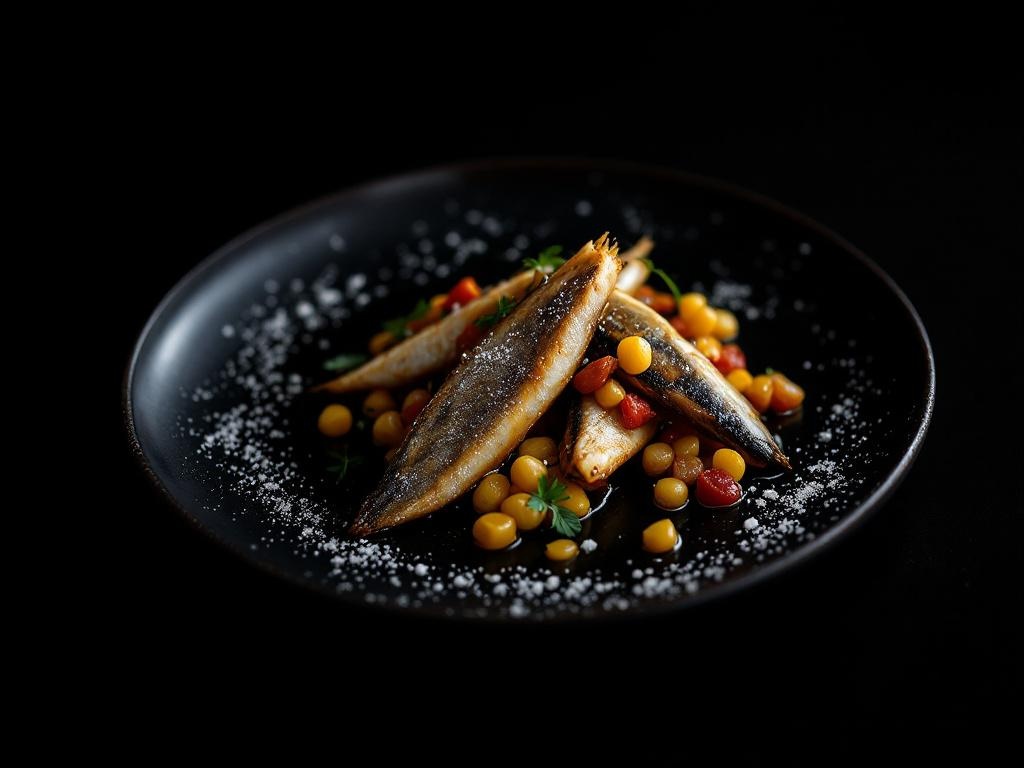
Sarde in Saor (Venetian Sweet-Sour Sardines — Centuries-Old Preservation)
Sarde in saor is the quintessential dish of Venetian culinary history — fried sardines marinated in a sweet-sour preparation of cooked onions, white wine vinegar, raisins, and pine nuts. It is eaten at room temperature or cold and was developed as a preservation technique by Venetian fishermen and sailors who needed to keep fried fish edible for days at sea without refrigeration. The acidity of the vinegar and the sweetness of the raisins created a stable, shelf-stable environment that preserved the sardines for up to a week. The dish is historically tied to the Feast of the Redeemer (Festa del Redentore) in July, when Venice's population would board gondolas in the night and consume sarde in saor with polenta as they watched fireworks over the Giudecca canal. It remains synonymous with Venetian festivity and identity. The preparation dates to at least the 14th century, with written references in 15th-century Venetian merchant records. The technique has two stages. First, the sardines are gutted, scaled, floured lightly, and fried in olive oil until golden and just cooked through — they must remain intact. They are drained and salted while hot. Second, the saor (from sapio — savour, wisdom) is prepared: white onions, sliced into thin half-moons, are sweated in olive oil until very soft and sweet, then deglazed with white wine vinegar and a little white wine, cooked briefly to reduce the sharp edge of the vinegar, and enriched with plumped raisins and lightly toasted pine nuts. The sardines are layered in a dish, the warm saor poured over, and the preparation is covered and rested. A minimum of 24 hours is required; 48 hours is better; 72 hours produces maximum flavour development. The cold acid marinade continues to cook and flavour the fish as it rests. The served sarde in saor should be jewel-like: golden sardines half-submerged in amber onion marinade, dotted with dark raisins and pale pine nuts.
The Market List
The benchmark for each ingredient, and who stocks it near you. Tap a stockist to go straight to the product.
Each tap is counted, so the stockist sees the demand Provenance sends them.
The Method
Sensory Tests
What to Pour
Why each one works is part of membership — Enter · from $49 a year →
The whole pairing