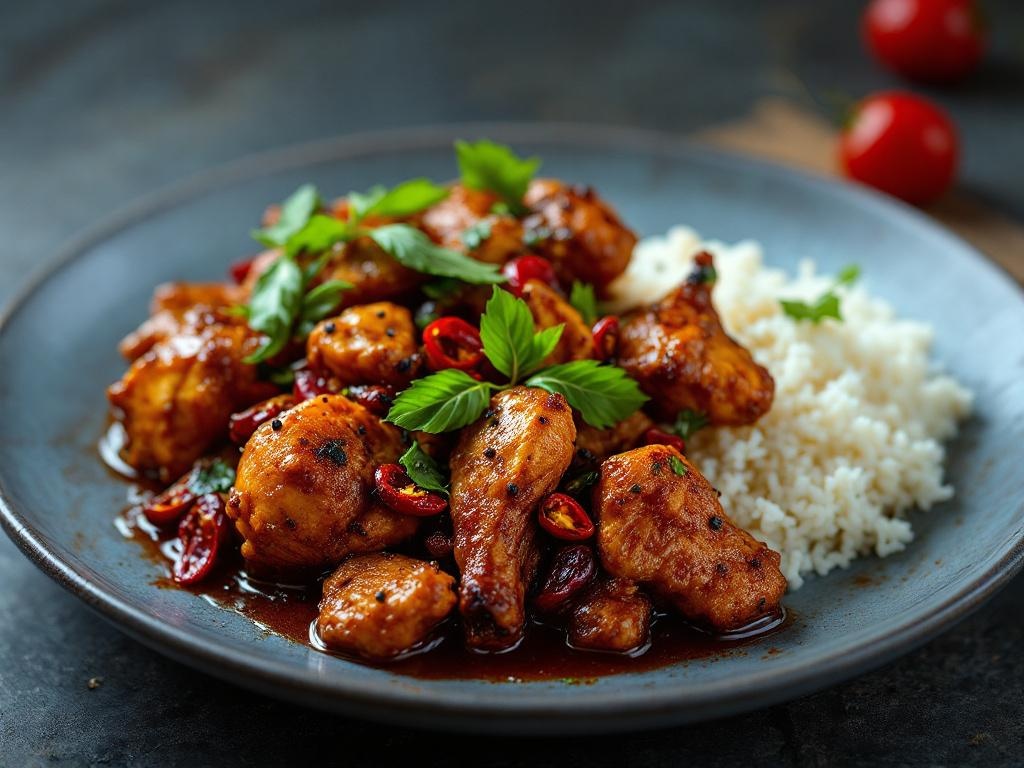
Chettinad Chicken (Tamil Nadu — Full Spice-Roasting Method)
Chettinad cuisine, from the Chettinad region of Tamil Nadu, is among the most audaciously spiced in India — a cooking tradition developed by the Nattukotai Chettiars, a community of merchant bankers whose historical trading networks across Southeast Asia and Sri Lanka brought rare spices into their kitchen that appear in no other Indian regional cuisine. Chettinad chicken is the most celebrated dish of this tradition: a dry-ish, intensely spiced preparation built on fresh-roasted whole spices that are ground daily, not stored. The defining characteristic of Chettinad spice philosophy is the use of roasted and freshly ground whole spices rather than pre-made spice blends. Kalpasi (stone flower lichen), marathi mokku (dried flower pods), kali elam (black stone flower), and star anise appear alongside conventional spices — these aromatics, found in very few other Indian regional traditions, give Chettinad its distinctive deep, slightly medicinal, and extraordinarily complex character. The masala is roasted (dry-toasted in a karahi until fragrant) and ground fresh before each preparation — the difference between pre-ground and freshly ground Chettinad masala is dramatic. The cooking technique begins with mustard oil or sesame oil (both used in Tamil Nadu), into which curry leaves, dried red chillies, and onion are cooked until deeply caramelised. The freshly ground spice paste — including ginger, garlic, and roasted coconut — is then fried until the oil separates, a bhunao equivalent that develops the masala's full depth. Chicken pieces are added and cooked on high heat to sear and coat before the heat is reduced to allow the spice to penetrate. The dish should be semi-dry — the sauce clinging to the chicken rather than pooling. The heat level is genuine: Chettinad cooking does not calibrate heat downward for comfort. Black pepper, guntur chilli, and dried whole red chillies are used in quantities that produce significant heat, which is considered integral to the cuisine's character and its digestive properties.
The Market List
The benchmark for each ingredient, and who stocks it near you. Tap a stockist to go straight to the product.
Each tap is counted, so the stockist sees the demand Provenance sends them.
The Method
Sensory Tests
What to Pour
Each tap is counted, so the stockist sees the demand Provenance sends them.
Why each one works is part of membership — Enter · from $49 a year →
The whole pairing