PProvenance
Enter
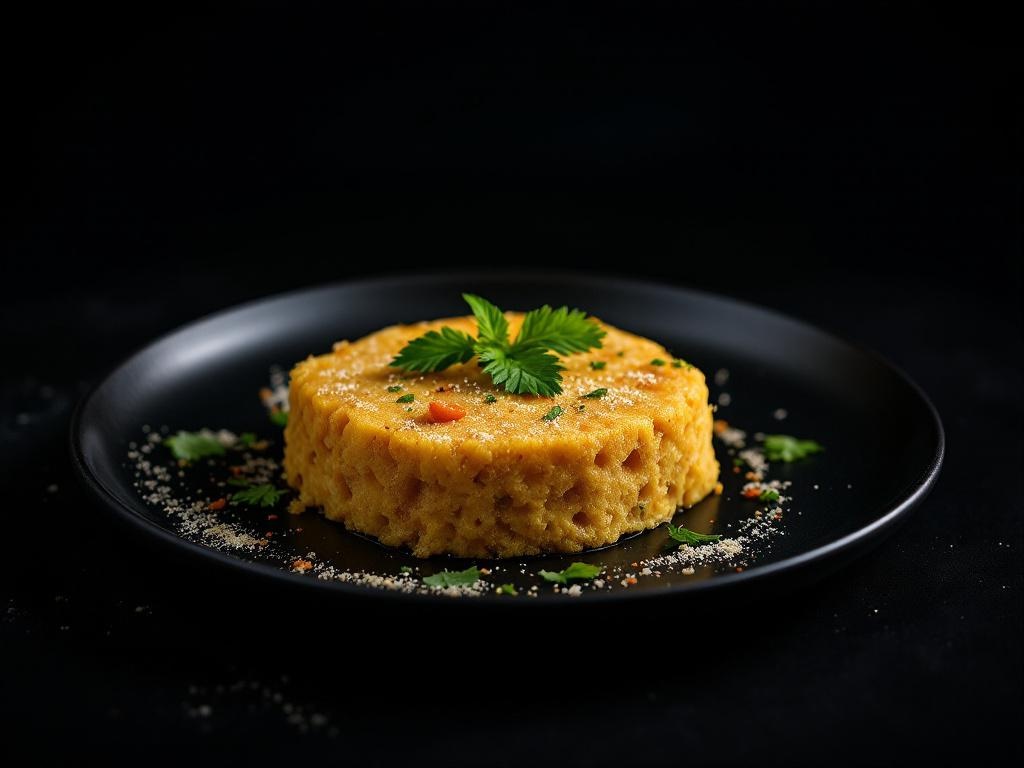
Gujarati Dhokla (Fermented Chickpea Flour Steam Cake)
Indian · Gujarat

Gujarati Dhokla (Fermented Chickpea Flour Steam Cake)

Dhokla is the most emblematic preparation of Gujarati cuisine — a light, spongy steamed cake made from fermented chickpea flour (besan) batter that represents the Gujarati mastery of fermentation, tempering, and the balance of sweet, sour, and spicy that defines the state's unique flavour philosophy. Gujarat is predominantly vegetarian, and its cuisine has developed remarkable sophistication within that constraint — dhokla exemplifies this through its textural ingenuity and multi-dimensional flavour despite containing no meat, fish, or egg. The Gujarati spice philosophy is unique in Indian cooking for its deliberate incorporation of sweetness into savoury preparations. Jaggery, sugar, and dried fruits appear in lentil dishes, chutneys, and snacks — the result of the state's historical trading connections with Arabia and Southeast Asia and the influence of Jain communities, who prize balance in all sensory dimensions. Dhokla's final tempering always includes a small amount of sugar in the mustard-oil tadka, a move that would be unthinkable in Punjabi or Rajasthani cooking. The fermentation process — typically 8–12 hours — builds lactic acid that provides sourness, develops the batter's aeration capacity, and creates the slight tang that distinguishes authentic dhokla from quick-made versions using citric acid. The batter, when fermented correctly, becomes almost self-leavening; the addition of fruit salt (eno) just before steaming provides the final dramatic lift, creating a cloud-light texture that holds its structure after cutting. The tempering (vaghar) applied after steaming is essential: mustard seeds, green chilli, curry leaves, sugar, and water are cooked together and poured over the hot dhokla — the water and sugar create a slightly syrupy coating that keeps the dhokla moist and adds the characteristic sweet-sharp finish. Garnishes of grated coconut and fresh coriander are traditional.

‹Swipe for the next dish›
Serves4 (yields 12 pieces)
Total480 min
Sourced2of 17 in BC
Cook
I

The Market List

The benchmark for each ingredient, and who stocks it near you. Tap a stockist to go straight to the product.

For fermented batter
200g
chickpea flour (besan)
Origin · IndiaNot yet stocked in British Columbia
100ml
plain yogurt
Your own market
40ml
vegetable oil
Your own market
80ml
water
Your own market
4g
salt
Your own market
2g
baking soda
Your own market
1g
sugar
Your own market
1.5g
whole fenugreek seeds (methi dana)
Not yet stocked in British Columbia
For tempering
40ml
vegetable oil
Your own market
1
green chilli
minced
Not yet stocked in British Columbia
2 cloves
garlic
minced
Your own market
10g
fresh ginger
minced
4g
mustard seeds (rai)
Your own market
8
curry leaves
Not yet stocked in British Columbia
2g
asafoetida (hing)
Not yet stocked in British Columbia
4g
ground ginger
2g
salt
Your own market

Each tap is counted, so the stockist sees the demand Provenance sends them.

II

The Method

1
Mix chickpea flour, 100ml yogurt, 40ml oil, 80ml water, salt, sugar, and fenugreek seeds in bowl; whisk until smooth, lump-free batter; cover loosely with cloth and leave at room temperature for 8 hours to ferment — batter should become thicker, develop sour aroma, and increase slightly in volume.
2
Dissolve baking soda in 20ml water; gently fold into fermented batter just before steaming — do not overmix; batter should be pourable but thicker than pancake batter.
3
Heat 40ml oil in small pan over medium heat; add mustard seeds, when they finish crackling, add minced green chilli, garlic, ginger, curry leaves, and asafoetida; cook 2 minutes until fragrant.
4
Reserve half the tempering; fold remaining half into fermented batter gently using spatula.
5
Oil a 20×20cm square or round shallow steaming pan lightly; pour battered mixture into pan, spreading evenly to 2cm depth; drizzle reserved tempering across surface.
6
Pour water into steamer pot or wok to 5cm depth, place trivet inside; bring water to boil; carefully place dhokla pan on trivet, cover steamer with tight-fitting lid; steam for 25 minutes — dhokla should spring back when lightly pressed and cake should have risen by one-third.
7
Remove from steamer, cool 5 minutes in pan; run thin knife around edges to loosen; invert carefully onto cutting board or plate; cut into 3×3cm square pieces or 5cm triangles.
8
Drizzle with additional oil if desired, serve warm or at room temperature with fresh green chutney or tamarind chutney; dhokla is naturally moist, spongy, and stays fresh for 2 days covered.
IV

Sensory Tests

◇Sight. Watch for the batter to rise visibly and set firm to the touch within 12–15 minutes of steaming — the surface should spring back when pressed lightly.
◇Where it lives or dies. Ferment the batter 8–12 hours at room temperature, then add eno and steam immediately on high heat within 30 seconds — skip either and you lose lift and tang.
VI

What to Pour

Pouring for British Columbia ·

The pairing
El Silencio Espadin Mezcal
El Silencio Mezcal · Oaxaca — Mezcal
Not yet stocked in British Columbia
Agave spirit
From British Columbia
SOV Wheated Rye Whisky
Sons of Vancouver Distillery · Metro Vancouver
Sons of Vancouver Distillery · North Vancouver →
Whisky
Without alcohol

No pour without alcohol holds against this yet.

Each tap is counted, so the stockist sees the demand Provenance sends them.

Why each one works is part of membership — Enter · from $49 a year →

The whole pairing
Pillar VII
Origin and lineage are part of membership.
Where the dish comes from and how it came to be — on every recipe.
Enter · from $49 a year