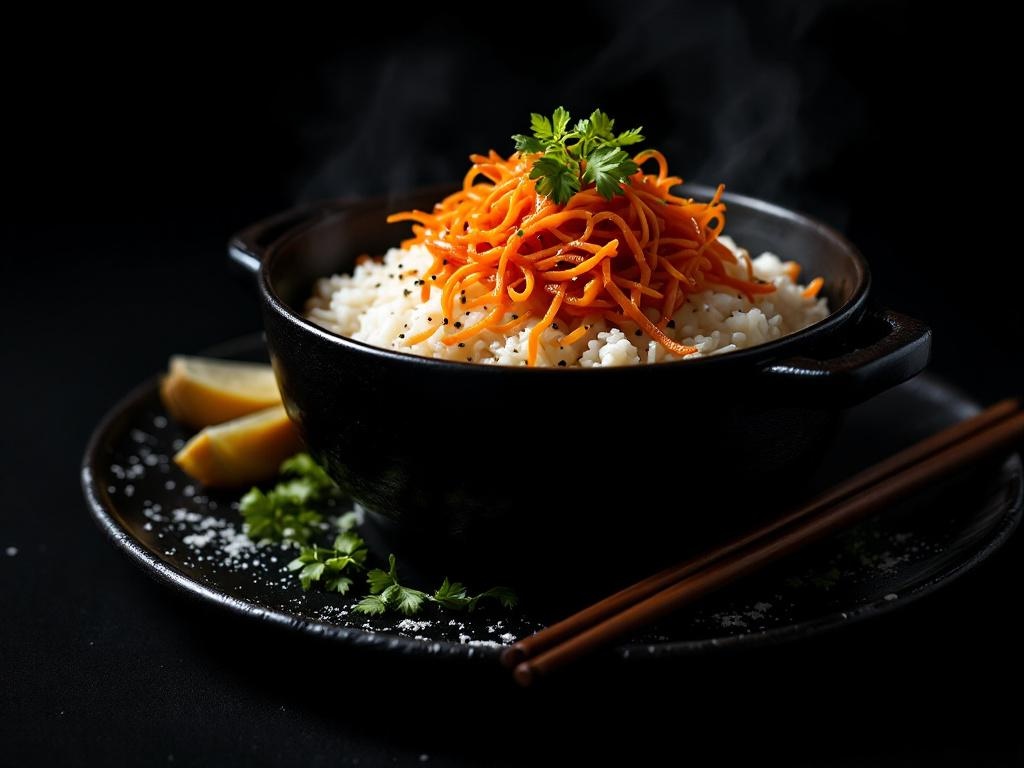
Kamameshi (Iron Pot Rice — Regional Toppings Method)
Kamameshi — literally 'pot rice' — is rice cooked and served in an individual iron pot (kama) with ingredients layered on top that steam into the rice as it cooks, infusing it with their juices and flavours. The dish has medieval origins as a way of cooking large communal meals, and became a refined individual portion format at Toraya restaurant in Asakusa, Tokyo in the late Meiji or Taisho period. Today it is strongly associated with ekiben (train station bento) culture and regional tourism, with each area claiming its own signature topping combination. The technique is more demanding than it appears. The rice and liquid must be calibrated exactly to the volume of the pot, as there is no way to check or adjust without lifting the lid and losing steam. The broth used instead of plain water — a seasoned dashi-soy mixture — must account for the moisture that will be released by the toppings during cooking. Too much liquid produces mushy rice; too little leaves the bottom burning before the top has cooked. The okoge — the lightly scorched crust that forms on the bottom of the iron pot — is considered a prize. Unlike a failed result in other rice cookery, a slight crust in kamameshi is intentional and desirable, adding a toasted, nutty note to the dish. After the rice is eaten, hot water or green tea is poured into the pot to loosen the crust for zōsui (rice porridge), making kamameshi a two-stage eating experience. Regional topping variations include chicken and burdock root (the Tokyo standard), crab and seafood (coastal versions from Hokuriku), mushroom and bamboo (Kyoto kaiseki adaptations), and game birds or venison in mountain regions.
The Market List
The benchmark for each ingredient, and who stocks it near you. Tap a stockist to go straight to the product.
Each tap is counted, so the stockist sees the demand Provenance sends them.
The Method
Sensory Tests
What to Pour
Why each one works is part of membership — Enter · from $49 a year →
The whole pairing