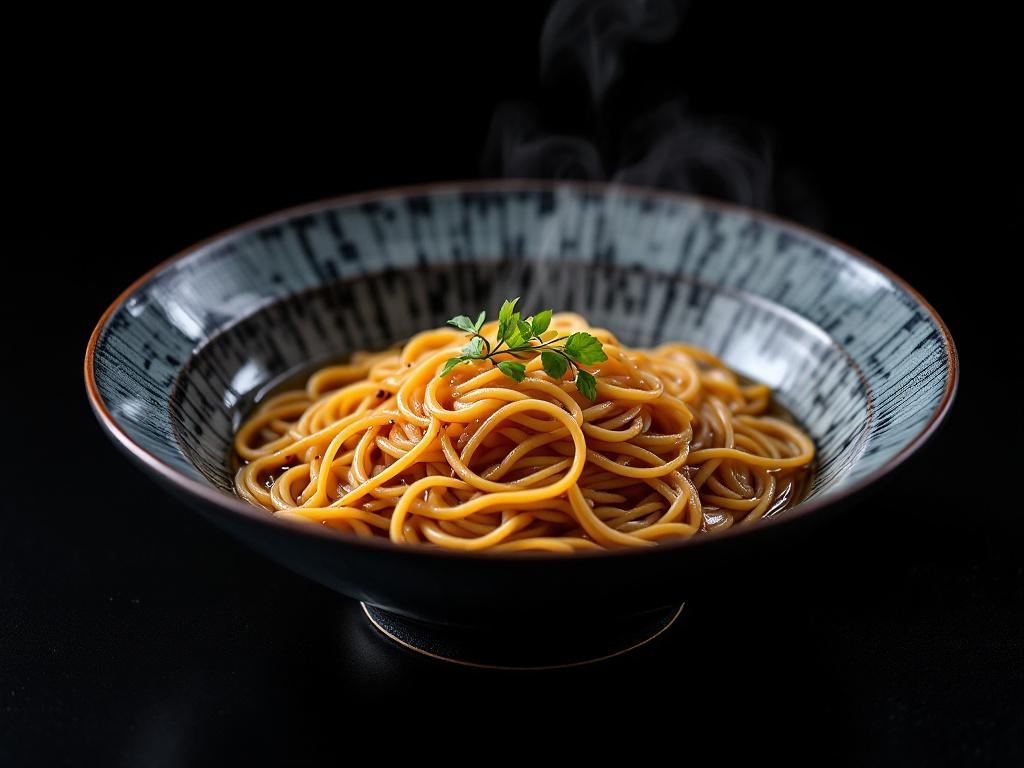
Soba Toshikoshi (New Year's Eve — Japanese Tradition)
Toshikoshi soba — 'year-crossing noodles' — are eaten throughout Japan on December 31 as the New Year approaches, ideally while hearing the temple bells ring in the new year (joya no kane). The long noodle is the symbolic element: its length represents long life and the cutting of the old year's hardships. Soba's ease of cutting (compared to udon or ramen noodles) makes it the correct choice — the ease of cutting symbolises the clean break from the old year. The preparation is among the simplest in Japanese cooking: a hot tsuyu (dashi, mirin, and soy sauce) broth poured over freshly cooked soba noodles, garnished with a sheet of nori, a slice of kamaboko (fish cake), and spring onion. The simplicity is the point — after a year's worth of elaborate preparation and celebration eating, the final meal of the year is intentionally unadorned, a clean slate.
The Market List
The benchmark for each ingredient, and who stocks it near you. Tap a stockist to go straight to the product.
Each tap is counted, so the stockist sees the demand Provenance sends them.
The Method
Sensory Tests
What to Pour
Nothing from British Columbia holds against this yet.
No pour without alcohol holds against this yet.
Why each one works is part of membership — Enter · from $49 a year →
The whole pairing