Sous Vide Eggs — 63°C Precision (Onsen Tamago Principles)
The sous vide egg cooked at 63–65°C for 45–75 minutes produces a texturally unique result that exploits the different coagulation temperatures of egg white proteins and egg yolk proteins. This technique is closely parallel to the Japanese onsen tamago — 'hot spring egg' — traditionally cooked slowly in natural hot spring water at similar temperatures. Egg white proteins (primarily ovalbumin, ovotransferrin, and ovomucin) begin denaturing at approximately 60°C, but at 63°C they remain only partially set — a loose, barely-cohesive, creamy gel that is far softer and more trembling than a traditionally poached or boiled egg white. Egg yolk proteins, however, have a higher denaturation onset around 65–70°C; at 63°C the yolk remains completely liquid, or at 65°C it becomes a thick, jammy, flowing gel. This temperature inversion of normal egg cooking — where the white is typically set harder than the yolk — is the defining characteristic of the sous vide or onsen egg. The technique is exquisitely sensitive to temperature variation. A 1–2°C difference produces a distinctly different result: at 60°C whites are completely liquid; at 63°C they form a delicate set; at 65°C they firm to a soft cooked consistency; at 68°C they approach a traditional soft-boiled egg white. Calibrating to the specific preference of your kitchen or guest requires testing. Time at temperature matters up to a point: 45 minutes is the minimum for thermal equilibration of a standard large egg (approximately 60g); 75 minutes allows complete equilibration and a more even set throughout. Beyond 75 minutes at 63°C, the white becomes rubbery as proteins continue to cross-link. Shell-on immersion in the water bath is standard — the shell is a natural protective barrier and the egg is simply cracked open over the serving dish. Applications include ramen toppings, grain bowls, cured egg yolks (separate yolks held at 63°C for 2 hours), and modernist plating where the egg's flowing yolk acts as a warm sauce.
The Market List
The benchmark for each ingredient, and who stocks it near you. Tap a stockist to go straight to the product.
The Method
Sensory Tests
What to Pour
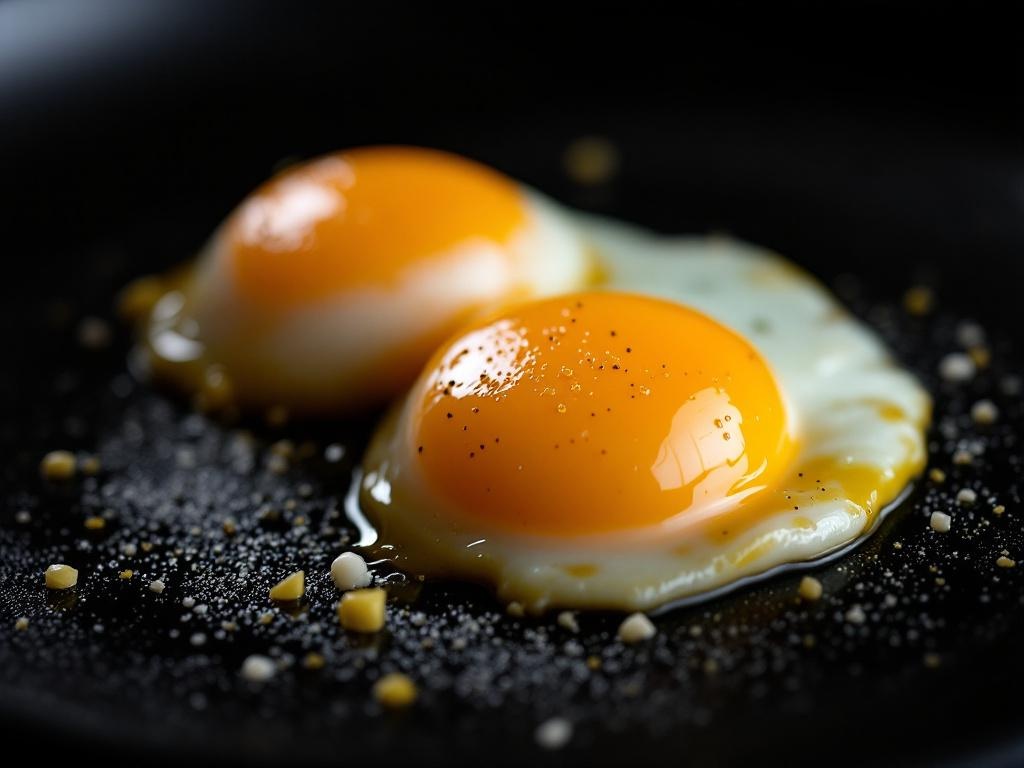
The flowing yolk delivers rich, fatty depth while the barely-set white provides a contrasting, delicate creaminess — a uniquely gentle textural experience
Origin & Lineage
Onsen tamago tradition in Japan, where eggs were historically cooked in natural hot spring water at ~70°C; sous vide application developed in European modernist kitchens in the 2000s