PProvenance
Enter
Cooking in
British Columbia
Choose a town
Risotto all'Onda — The Venetian Risotto Standard
Italian

Risotto all'Onda — The Venetian Risotto Standard

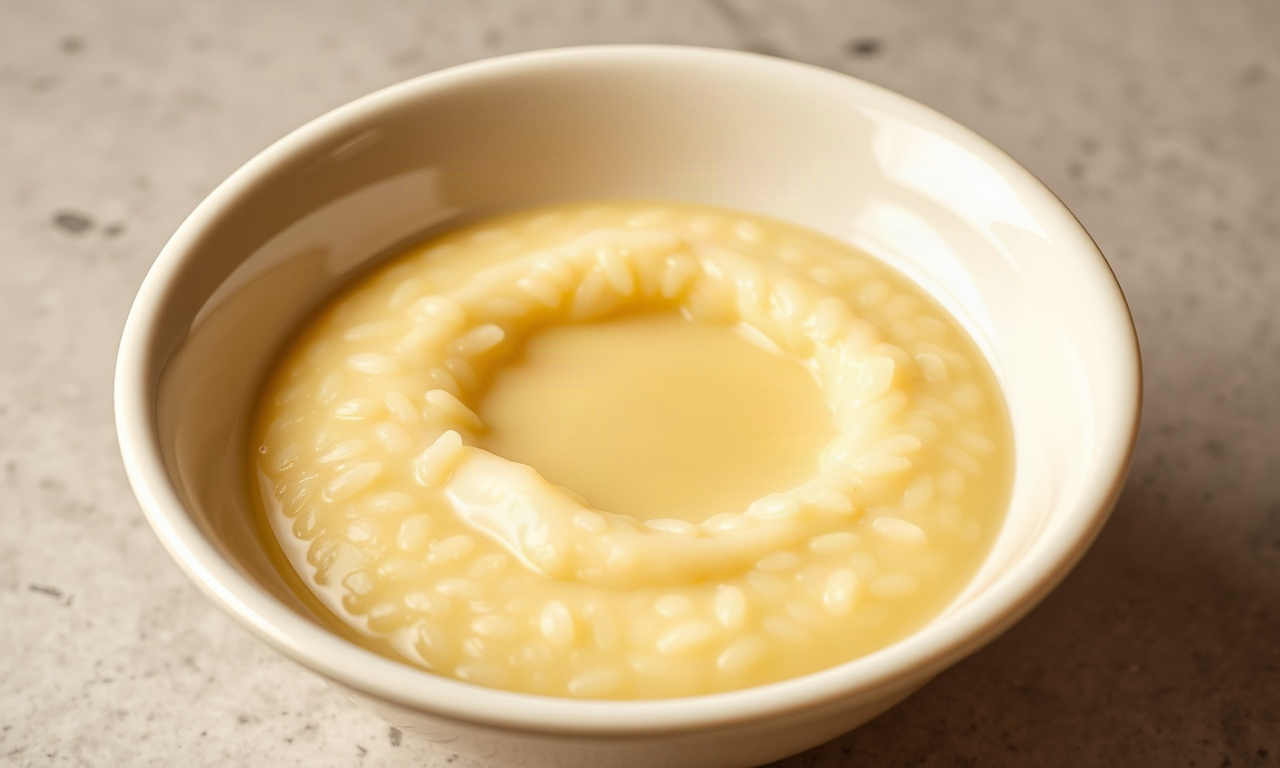
Venetian risotto — risotto all'onda — is defined by its consistency: 'all'onda' means 'with a wave', and the finished risotto should flow slowly like lava when the plate is tilted, forming a wave at the rim. This is achieved through aggressive mantecatura: the final stage where cold butter is beaten into the risotto off heat, along with Parmigiano, until the starch and fat emulsify into a glossy, flowing cream. The Venetian standard is wetter and more liquid than the Milanese risotto — and this distinction matters enormously.

ServesFour portions
Sourced0 of 2 in BC
Cook
I

The Market ListSee the chain →

The benchmark for each ingredient, and who stocks it near you. Tap a stockist to go straight to the product.

320 g
Carnaroli rice
or Vialone Nano
Not yet stocked in British Columbia
1.5 litres
good meat, chicken or vegetable stock
kept at a bare simmer throughout
Not yet stocked in British Columbia
1 medium
white onion
finely chopped
Your own market
60 g
unsalted butter
for the soffritto
Your own market
For the mantecatura
80 g
unsalted butter
cold, cut into small cubes — cold is essential
Your own market
60 g
Parmigiano Reggiano
freshly grated
Your own market
II

The Method

1
Set the stock over a low flame and hold it at a bare simmer throughout. Place a wide, heavy-based pan over a low heat. Melt the soffritto butter and add the onion. Cook slowly, without allowing the onion to colour, until it is soft, translucent and sweet-smelling — this takes patience and moderate heat. The smell should be gentle, of butter and sweet onion, with no sharpness.
2
Raise the heat to medium. Add the rice and stir it through the soffritto so that every grain is coated in butter. Toast the rice for 1–2 minutes, stirring constantly. The grains will turn slightly opaque and give off a faint, dry, nutty aroma. That aroma is the signal to proceed.
3
Add the hot stock one ladle at a time, stirring steadily after each addition to release the starch from the rice. Wait until each ladle is absorbed before adding the next. The surface of the rice should close slowly after the spoon passes — a sign the starch is releasing correctly. Continue for approximately 16–18 minutes, tasting the grain as the end approaches. The rice is ready for the mantecatura when it is tender at the outside with a small, firm core remaining, and the mass moves in a slow, loose body behind the spoon.
4
This is where the dish lives or dies. Remove the pan from the heat while the rice is still slightly loose — it will tighten further as it rests. Add the final ladle of hot stock, then add all the cold butter cubes and the freshly grated Parmigiano Reggiano at once. Beat the mass vigorously with a wooden spoon, or shake the pan in rapid, repeated forward thrusts, for 1–2 minutes without pause. The risotto will transform: the cold butter emulsifies into the hot starch and the mass turns glossy, fluid and flowing. The spoon should feel the mass thicken and become heavy and smooth as the emulsion forms. If the consistency is not yet flowing, add a little more hot stock and beat again.
5
Cover the pan and rest the risotto off the heat for 1–2 minutes. Then serve immediately onto warmed plates. Tilt the plate: the risotto should spread and form a slow, gentle wave at the rim. If it holds in a mound, the dish is already past its moment.
III

Quality Hierarchy

01
Reserve — Vialone Nano, the rice of the Veneto, is used. The stock is made the same day and held at a bare simmer. The soffritto is cooked slowly without any colour. The butter is cold and the Parmigiano Reggiano freshly grated to order. The mantecatura is executed off the heat and the plate reaches the table immediately, so that the risotto spreads in a slow, unbroken wave.
02
Estate — Vialone Nano or Carnaroli with a carefully made home stock and a soffritto of onion in butter cooked without colour. Stock is added in measured ladles and the mantecatura is carried out properly off the heat with cold butter. The consistency is correct, if a little less supple than at the Reserve level.
03
Market — A reliable Carnaroli or Arborio with a commercial stock of reasonable quality and standard Parmigiano. The method is followed, though stock temperature may vary and the butter may not be adequately cold. The result is creamy but tends to tighten as it stands.
04
House — A generic long-grain or parboiled rice with stock from a cube, finished with warm butter or oil and allowed to stand before serving. The risotto sets into a mass, does not flow, and lacks the glossy emulsion that defines the dish.
IV

Sensory Tests

◇Sight. The finished risotto spreads across a warmed plate and forms a gentle wave at the rim when the plate is tilted. During cooking, the surface closes slowly after the spoon passes. If the risotto holds in a mound or leaves a clean track that does not close, it is too dry. If liquid separates and pools at the rim, it is too wet or the emulsion has broken.
◇Touch. The grain, pressed between the fingers or bitten through, is tender at the outside with a small firm core remaining. During the mantecatura the spoon feels the mass thicken, turn smooth and heavy as the butter and Parmigiano are beaten in. A chalky, hard centre means the rice is undercooked; a soft, collapsing grain means it is overcooked. A stiff, gluey resistance at the spoon means the starch has been overworked or the stock was too sparing.
◇Smell. The soffritto gives a sweet, gentle smell of onion in butter. The rice toasted briefly in it smells nutty and dry. As stock is added the aroma becomes that of the stock itself. A sharp or acrid smell means the onion or rice has scorched before the stock was added.
◇Where it lives or dies. The dish lives or dies at the mantecatura: the pan must be off the heat, the butter must be cold and cut into cubes, and the beating must be vigorous and unbroken until the starch and fat emulsify into a single glossy, flowing mass.
Pillar V
Cross-cuisine parallels are part of membership.
The dishes this one teaches you, across the cuisines — on every recipe.
Enter · from $49 a year
VI

What to Pour

Pouring for British Columbia · ·

The pairing
Bisol Cartizze Dry
Bisol · Prosecco DOC / DOCG
Not yet stocked in British Columbia
Sparkling wine
From British Columbia
2017 Sparkling Brut
Phantom Creek Estates · Black Sage Road
Phantom Creek Estates · Oliver →
Sparkling wine
Without alcohol
Water Kefir: Lemon Ginger, Canned
Not yet stocked in British Columbia
Non-alcoholic

Each tap is counted, so the stockist sees the demand Provenance sends them.

Why each one works is part of membership — Enter · from $49 a year →

The whole pairing
Pillar VII
Origin and lineage are part of membership.
Where the dish comes from and how it came to be — on every recipe.
Enter · from $49 a year