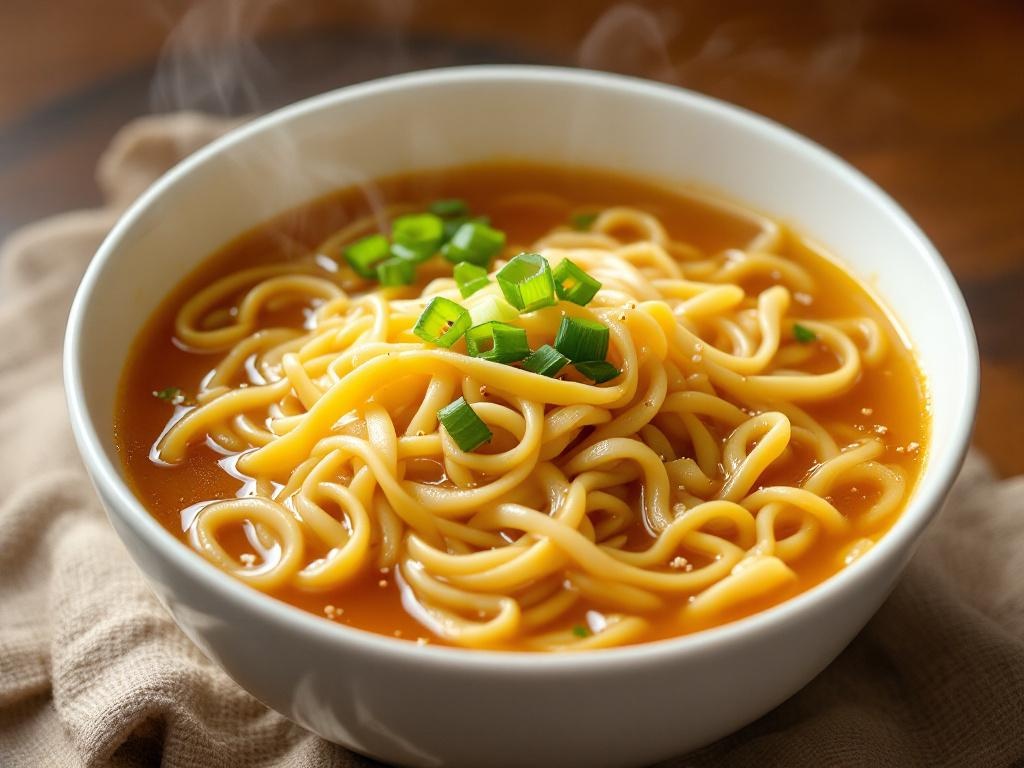
Egg Drop Soup (Restaurant Style — Cornstarch and Pour Method)
Egg drop soup experienced a notable viral moment on TikTok in 2021 and 2022, with content creators demonstrating the technique for achieving the silky, golden ribbons of egg characteristic of restaurant-style Chinese-American egg drop soup. The dish itself is ancient — variations of egg-ribbon soups appear across East Asian cuisines — but the viral interest focused specifically on the restaurant-quality texture and the specific techniques that achieve it at home. The foundation of a good egg drop soup is a flavourful, clear stock. Chicken stock — ideally homemade with ginger and a small amount of Chinese cooking wine — provides the savoury base. Commercial stock can work but frequently produces a too-salty or too-pale result. The stock is brought to a gentle simmer and seasoned with soy sauce, a touch of white pepper, and sesame oil. The cornstarch step is critical and widely misunderstood. A slurry of cornstarch and cold water (typically 2 tablespoons cornstarch to 3 tablespoons water per litre of stock) is stirred into the simmering stock and allowed to cook for 2 minutes until the broth thickens slightly and becomes glossy. This thickening is what allows the beaten egg to form ribbons rather than clumping — the viscosity suspends the egg as it cooks. The egg pour must be done with the broth at a rolling simmer, not a boil, and using a slow, steady circular motion with a fork or chopstick held just above the surface of the soup. The thicker the cornstarch base, the larger and silkier the ribbons; a lighter cornstarch base produces finer, cloudier threads. A beaten egg mixed with a small amount of sesame oil before adding pours more smoothly and produces a richer colour. Garnishes are functional: sliced green onion cuts richness, white pepper adds aromatic heat, and a final drizzle of sesame oil adds fragrance.
The Market List
The benchmark for each ingredient, and who stocks it near you. Tap a stockist to go straight to the product.
Each tap is counted, so the stockist sees the demand Provenance sends them.